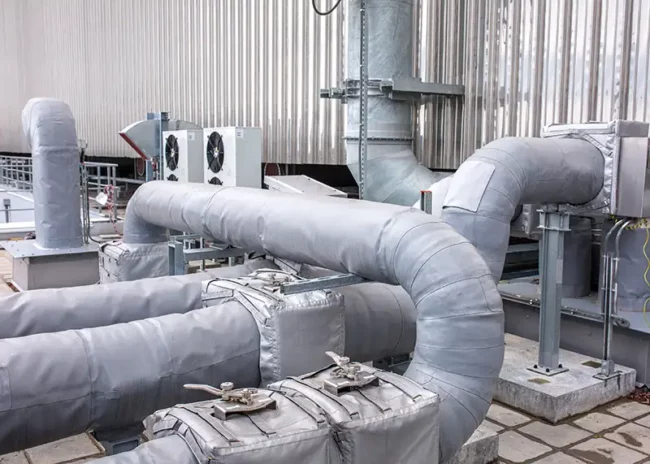
Industrial.The incorporation of advanced insulation in school buildings also ensures that they meet increasingly stringent energy regulations, contributing to long-term sustainability goals. Enhancing Energy Efficiency in Temporary Modular Buildings.
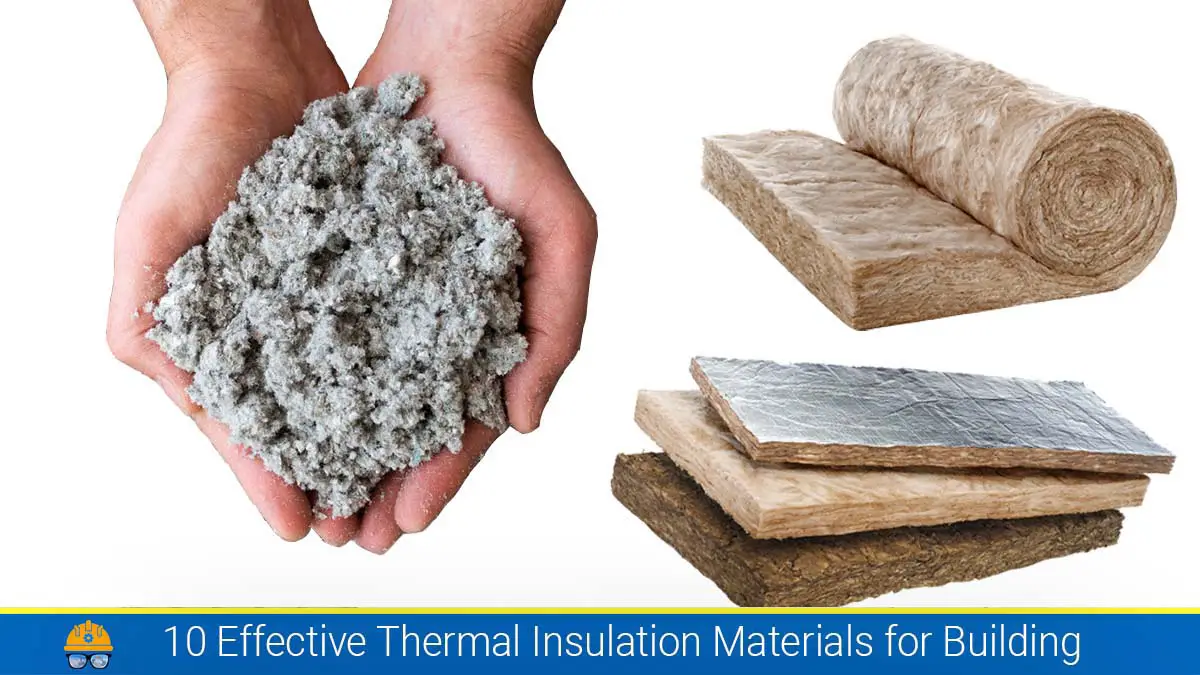
Advancements in Bio-Based Insulation: Materials such as hemp, sheep wool, and mycelium-based insulation are gaining traction as sustainable alternatives. Recycled & Reclaimed Insulation Solutions: Use of recycled cotton, cellulose...
What are the latest advancements in nanotechnology-based insulation materials? Nanotechnology has revolutionized various industries, including insulation materials.

EPS Insulation Advancements & Technology Innovations. TECHNICAL BULLETIN. XPS & Polyiso Long-Term Thermal Resistance & R-Value Performance. Insulation is of paramount importance to reduce the energy consumption of buildings.
The global thermal insulation material industry is poised for substantial growth, reaching an estimated valuation of USD 122 billion by 2033, driven by a steady CAGR of 5.6%.

In conclusion, the future of thermal insulation materials is marked by innovation and advancement. From aerogels to nanotechnology to bio-based materials, the field is teeming with potential solutions that promise to revolutionize the way we insulate our buildings, appliances, and more.
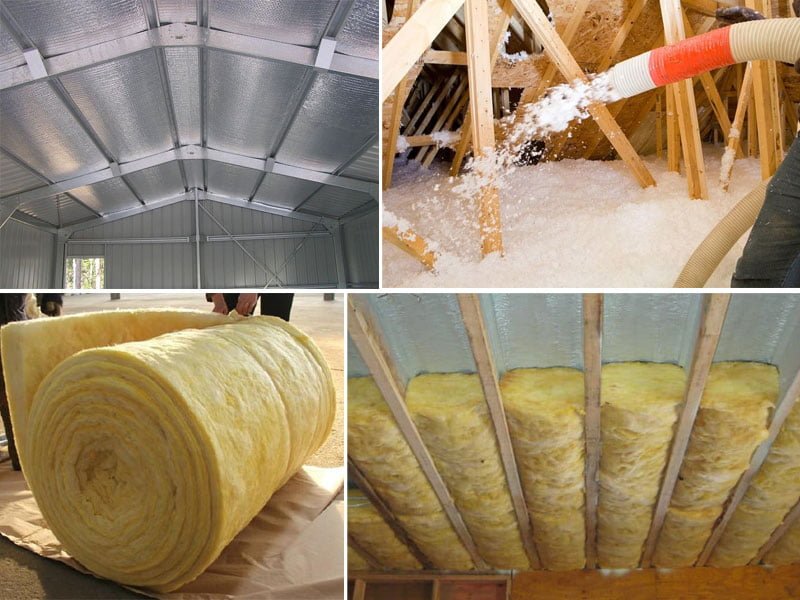
Using advanced insulation materials like Air Bubble Foil Insulation helps: Improve indoor comfort. Reduce energy consumption. Enhance HVAC efficiency. Lower electricity bills. Increase building lifespan. Prevent moisture damage.