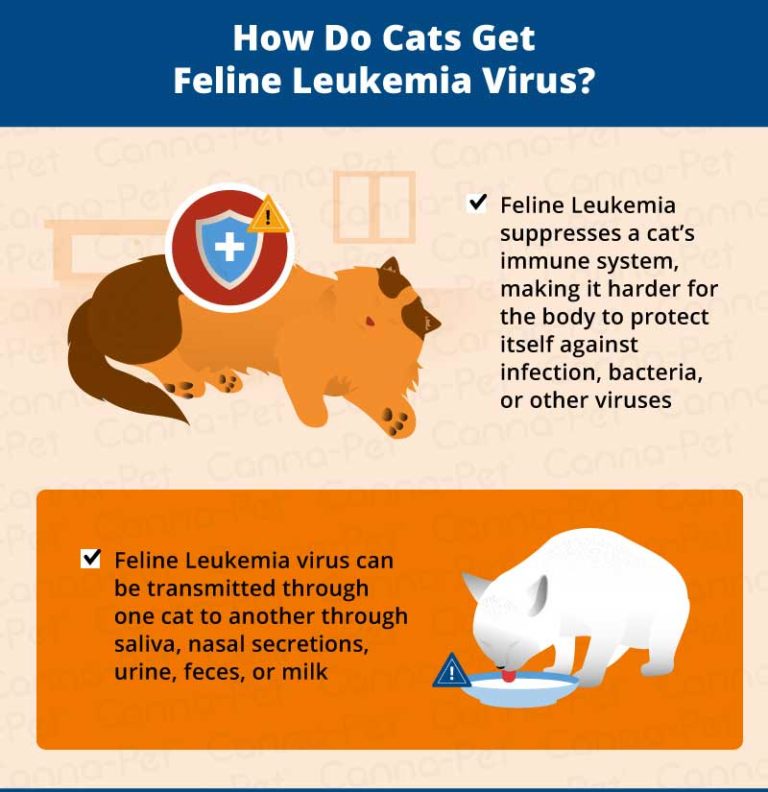
Feline leukemia virus is a retrovirus that infects cats. FeLV can be transmitted from infected cats when the transfer of saliva or nasal secretions is involved.
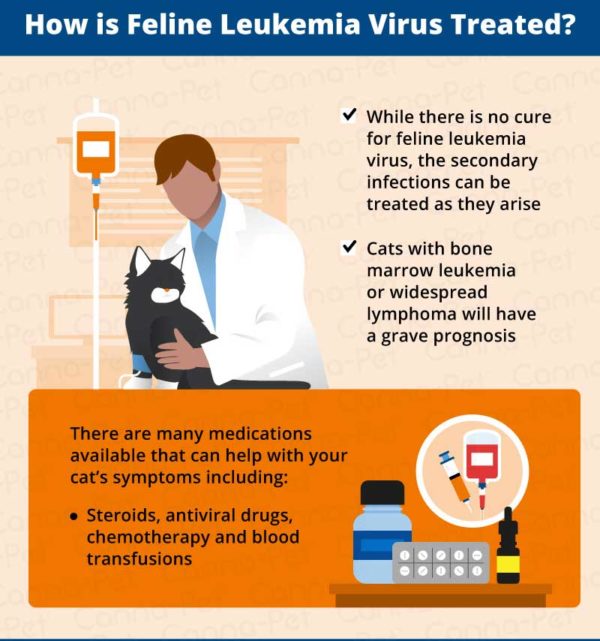
Since cats with feline leukemia are highly prone to developing secondary acute infections, they will often need antibiotics to recover from these illnesses. Your vet will be able to prescribe antibiotics for your cat when the need arises throughout his battle with feline leukemia.

Feline Leukemia Virus (FeLV) is a common but preventable virus that can affect almost all cats. Dr. Boldan shares how FeLV weakens a cat's immune system, symptoms, and how the feline leukemia virus vaccine can be life-saving.

This particular example perfectly highlights why Symptoms Of Feline Leukemia In Dark Coated Cats is so captivating.
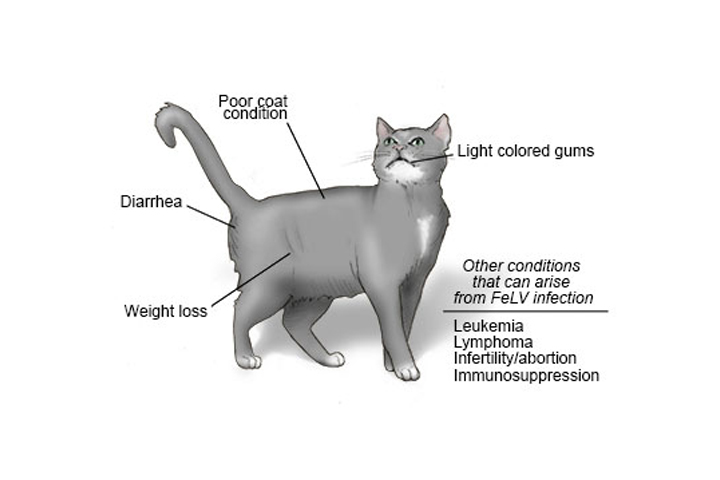
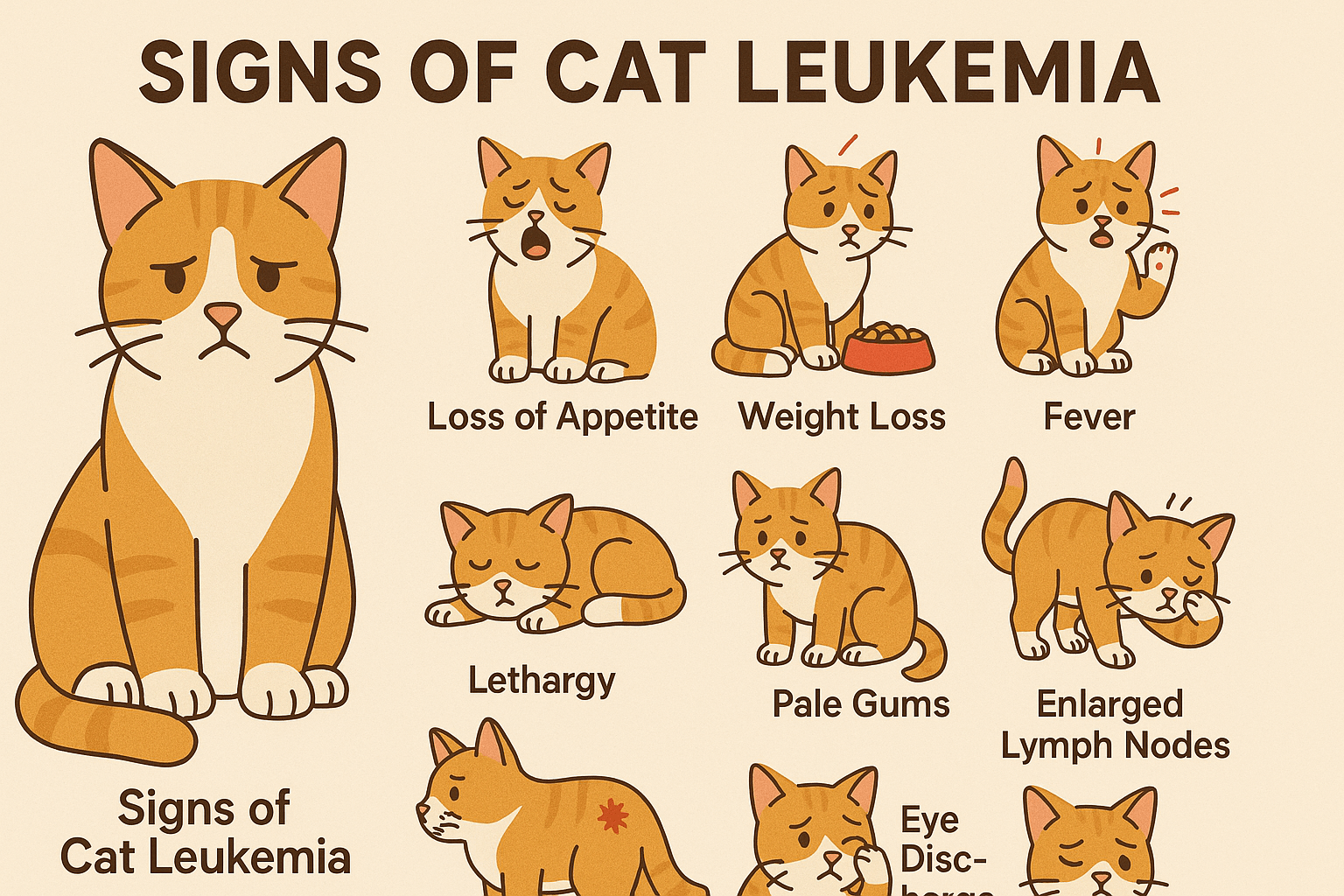
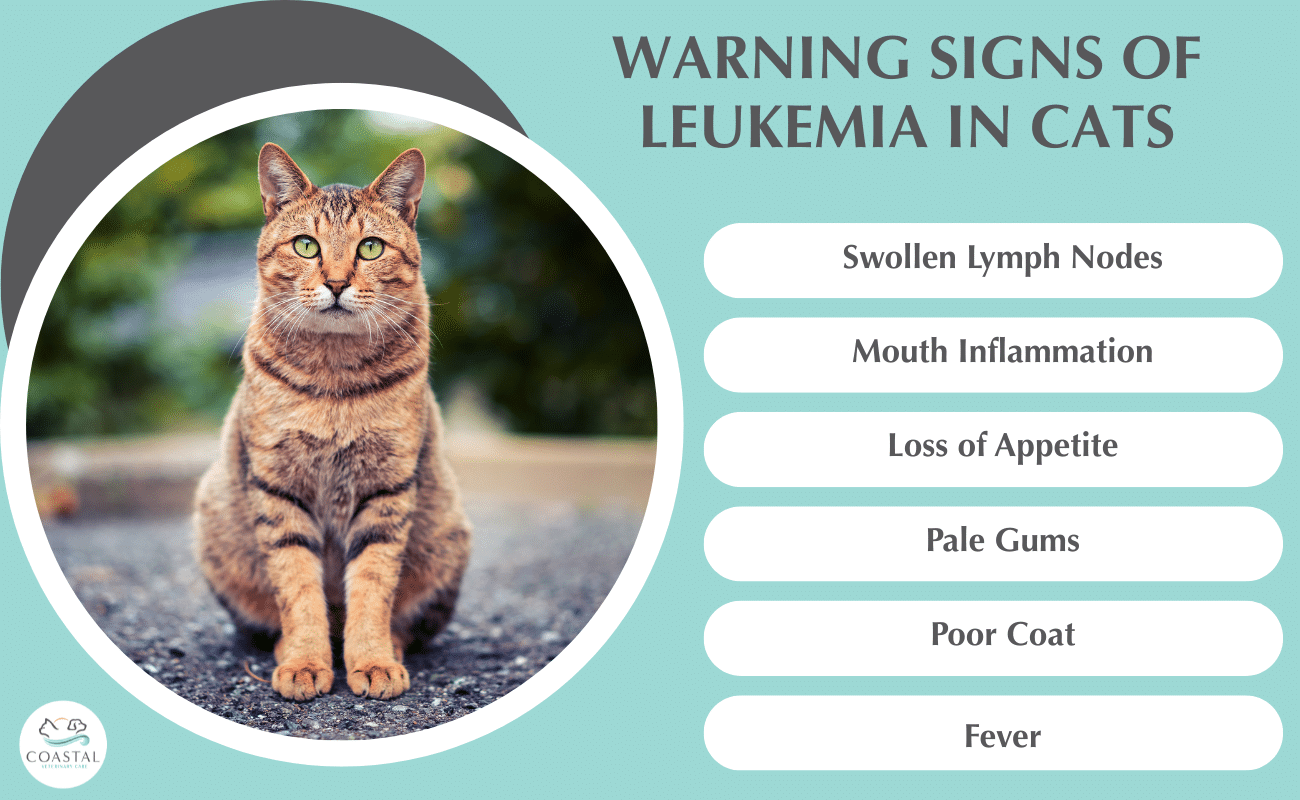
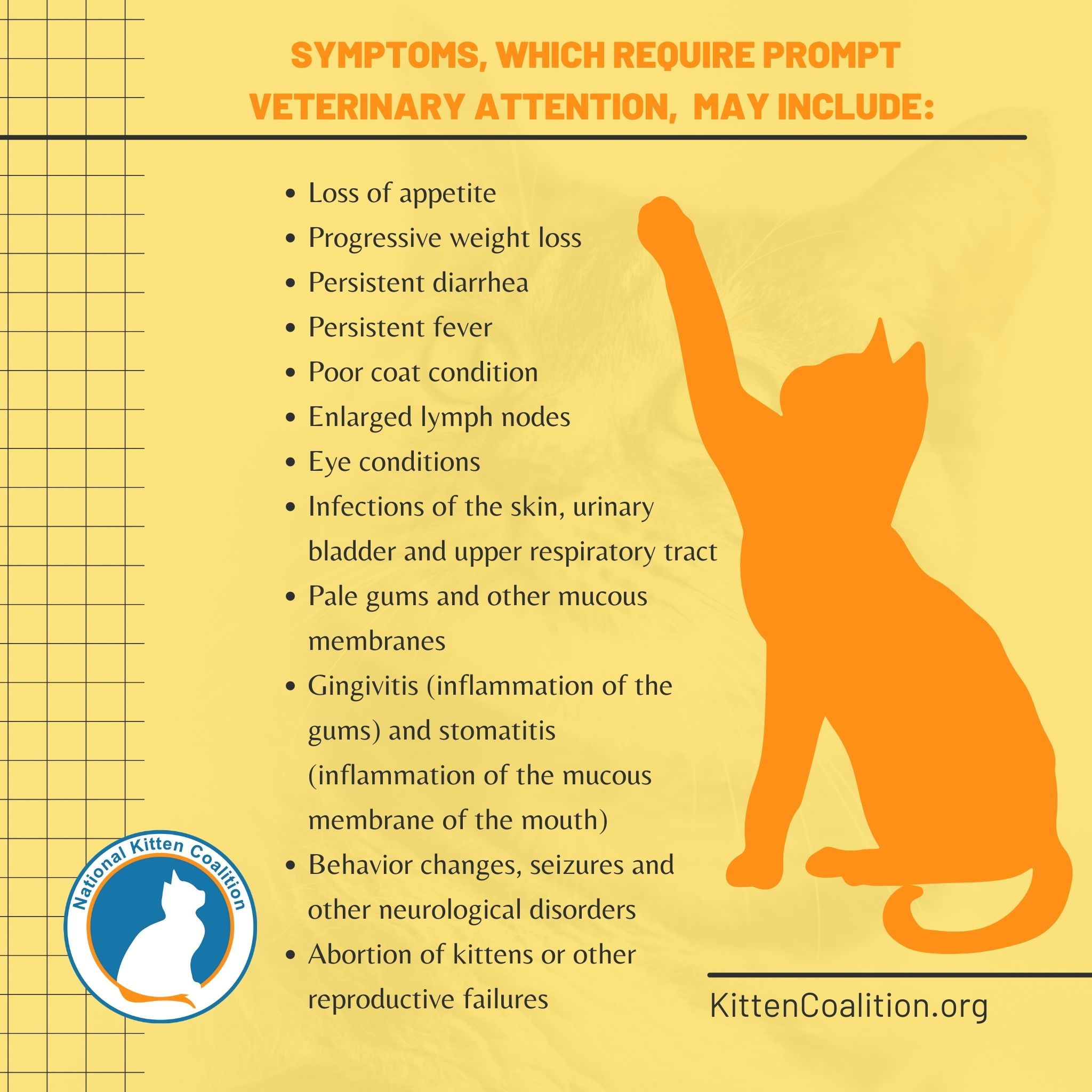
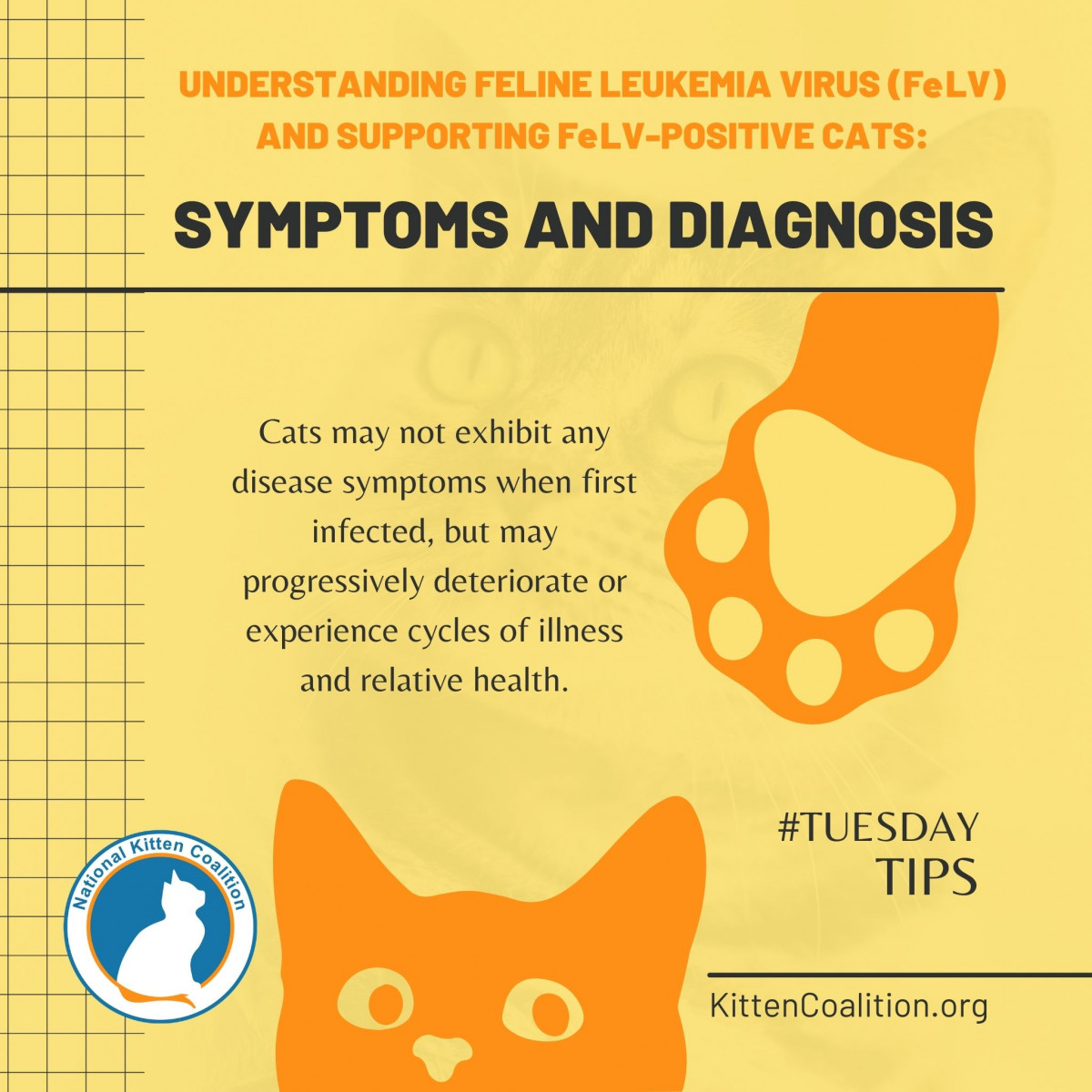
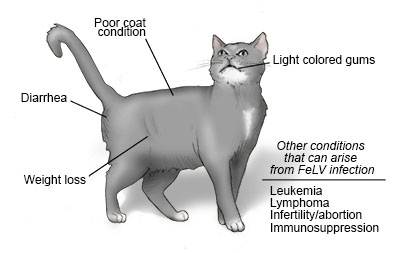
Feline leukemia virus is a retrovirus that can cause cancer in cats, but its not a type of cancer itself. What are the signs of feline leukemia? Feline leukemia virus can have many symptoms, and cats may not show any signs during the early stages.
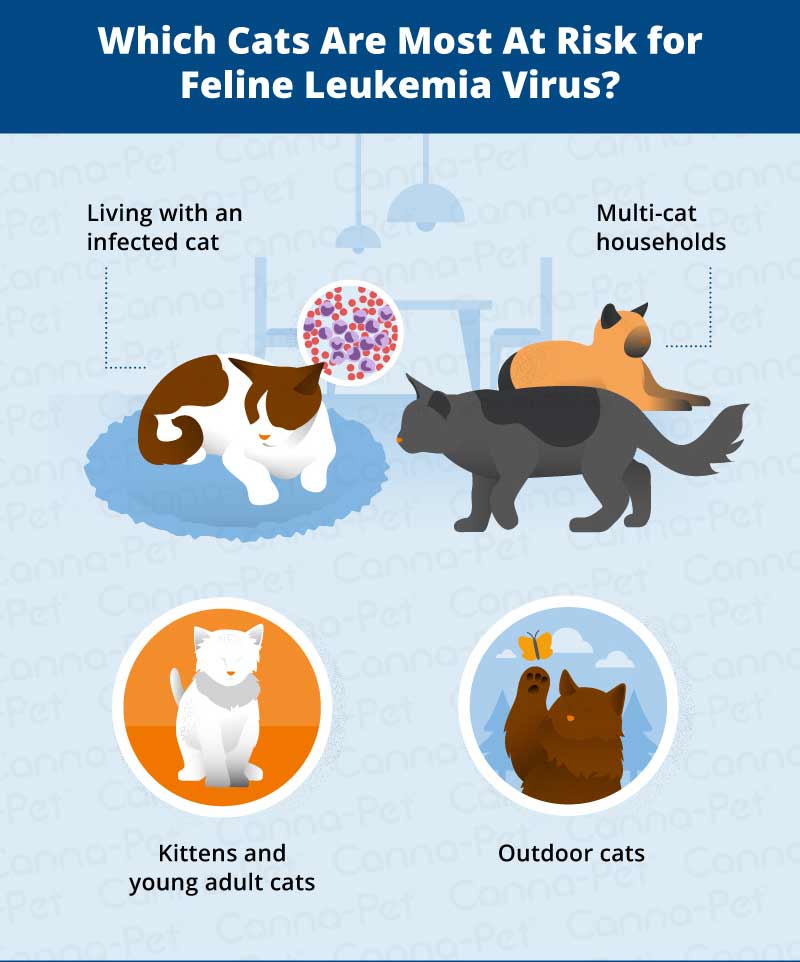
Feline leukemia is caused by the feline leukemia virus. This virus is shed in infected cats through their saliva, urine, feces, and if they are lactating, their milk, too.The other way to prevent feline leukemia in your cat is to keep your cat away from infected cats.
Understanding Feline Leukemia: A Comprehensive Overview. Feline leukemia virus (FeLV) poses a significant threat to cats worldwide.Transmission of Feline Leukemia. FeLV is typically spread through direct contact between cats. The most common transmission methods include