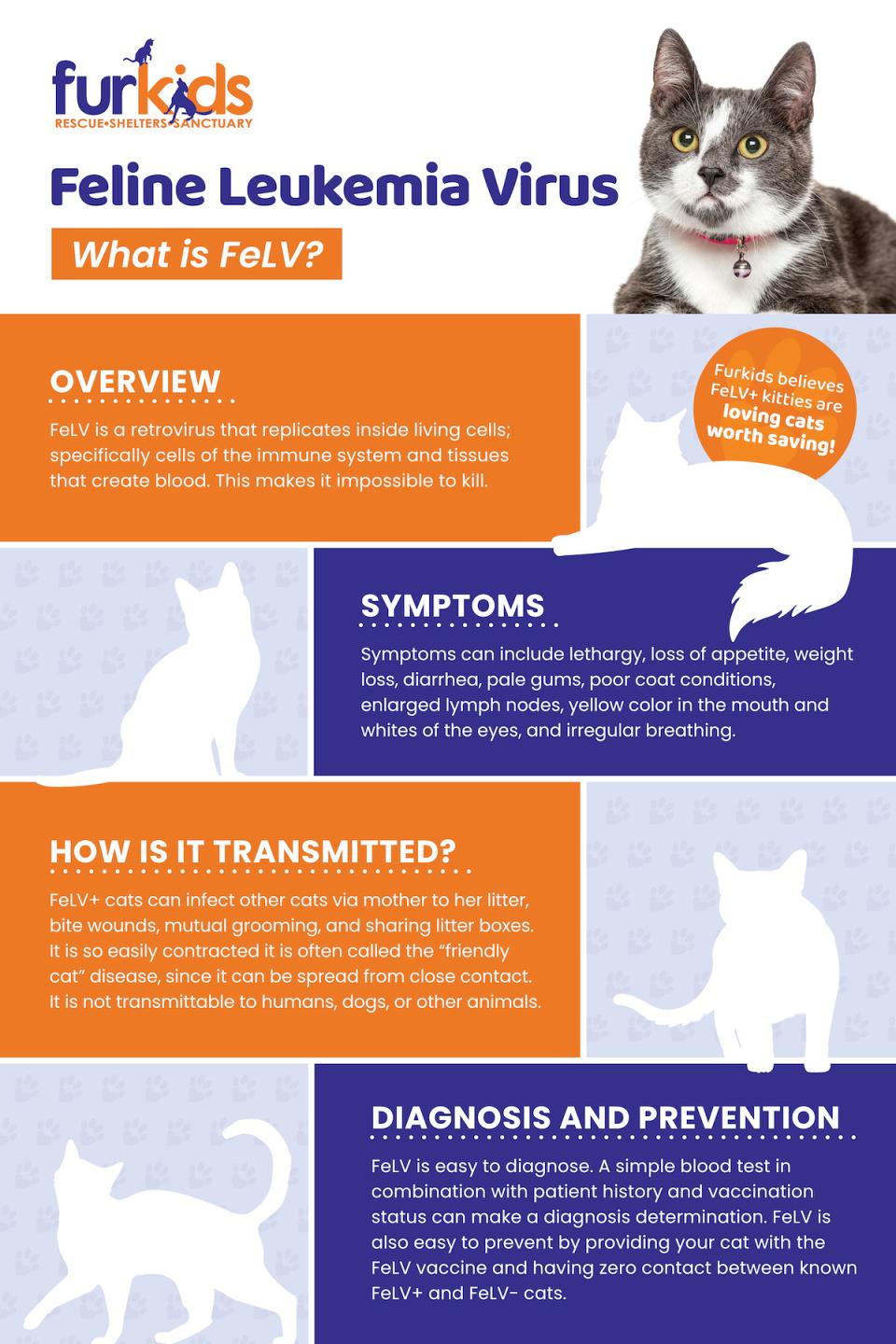
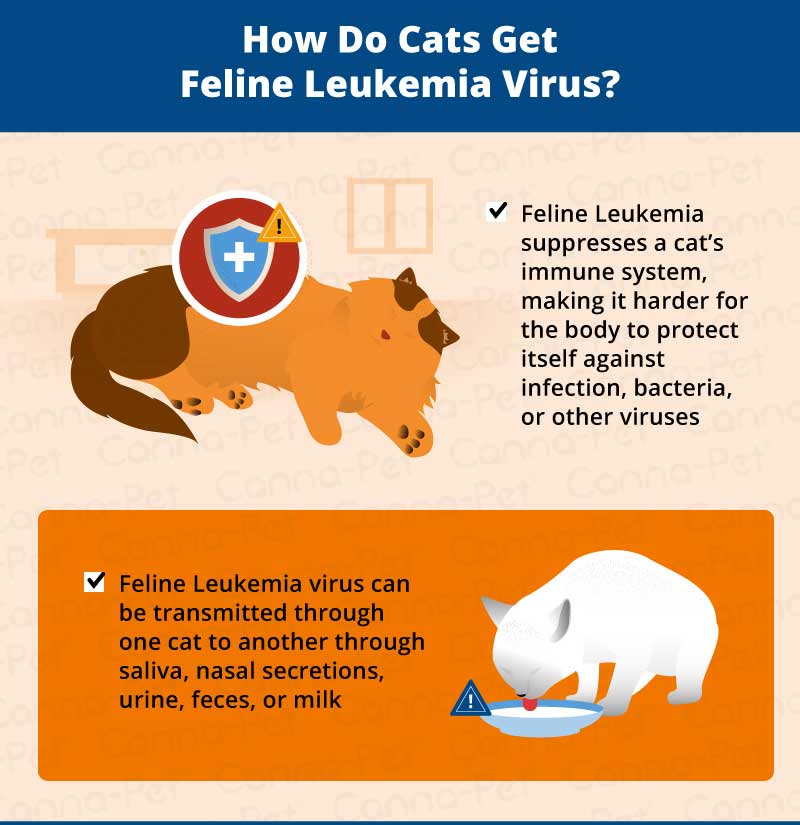
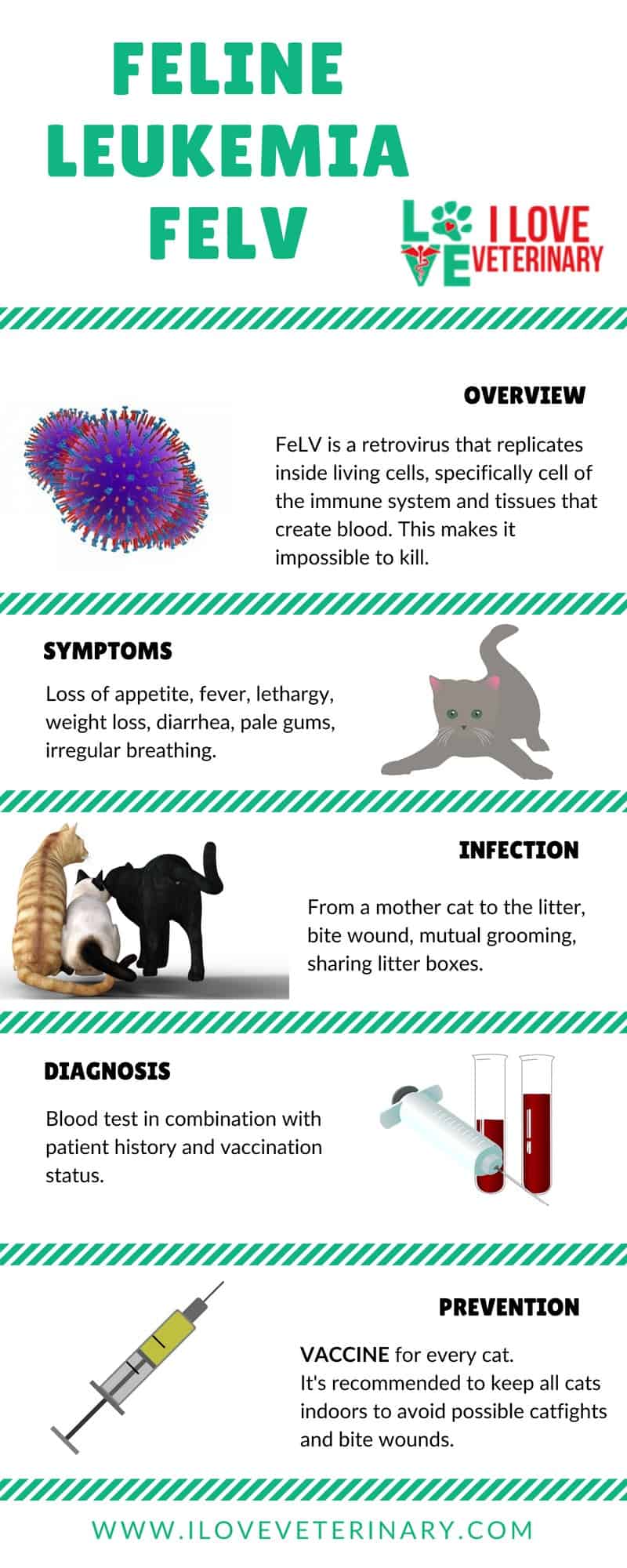
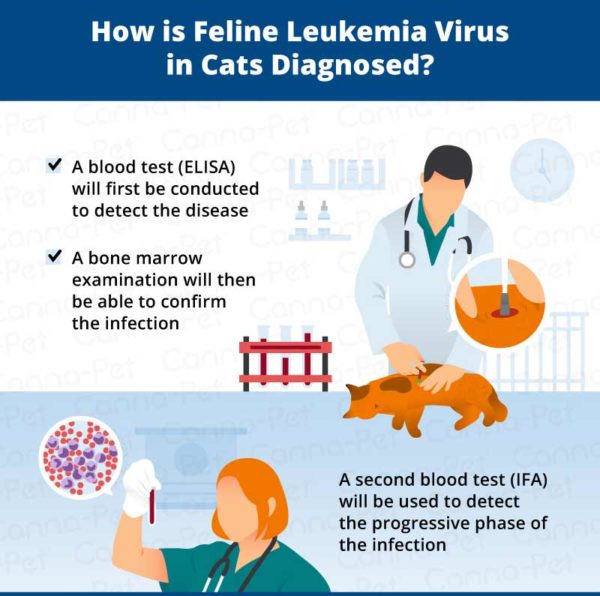
Feline leukemia virus (FeLV) is a retrovirus that infects cats. FeLV can be transmitted from infected cats when the transfer of saliva or nasal secretions is involved.
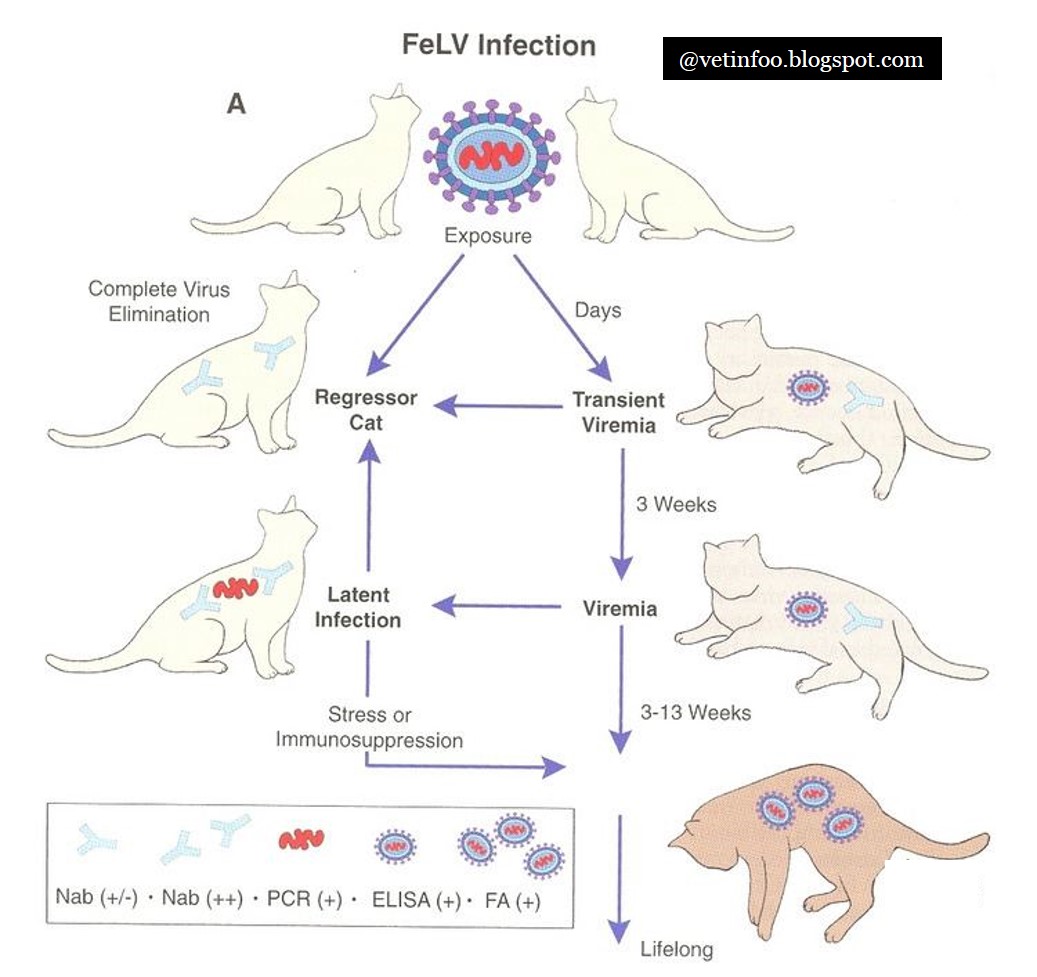
Feline Leukemia (FeLV), known as Feline Leukemia Virus; It is an RNA virus that can replicate in many cells, such as the salivary gland, bone marrow, and respiratory tract. Once the virus enters the body, it multiplies in the cells.
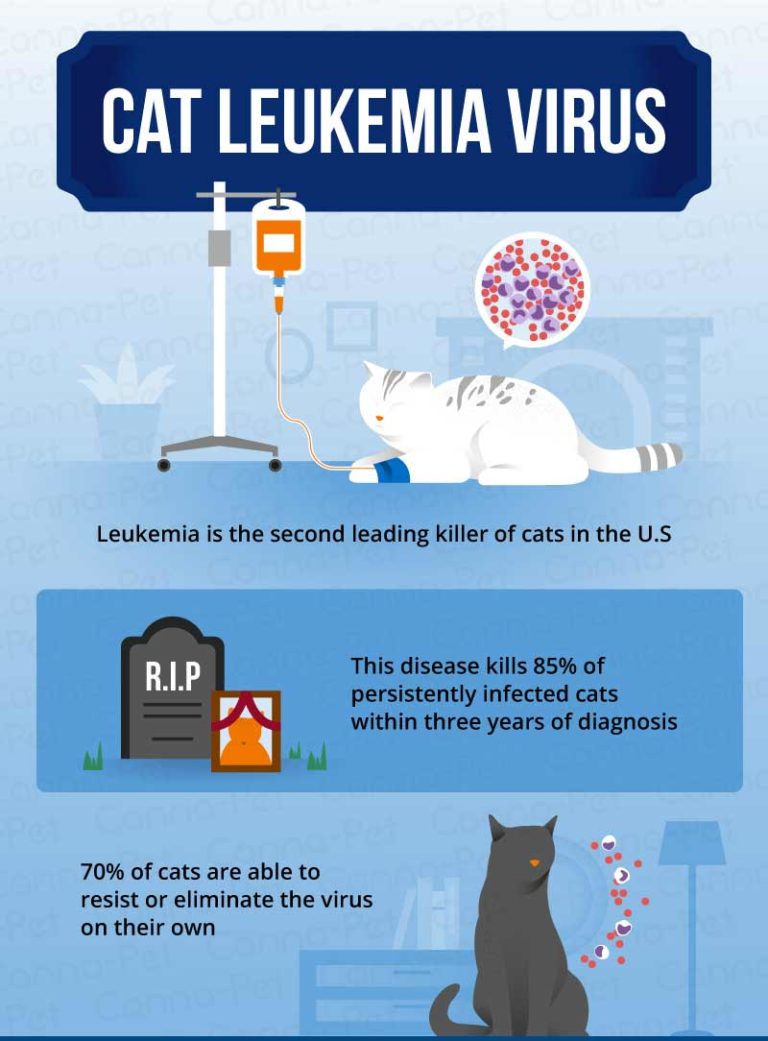
Feline leukemia virus (FeLV) is second only to trauma as the leading cause of death in cats, killing 85% of persistently infected felines within three years of diagnosis.At that point, your cat will have symptoms and will be able to infect other cats.

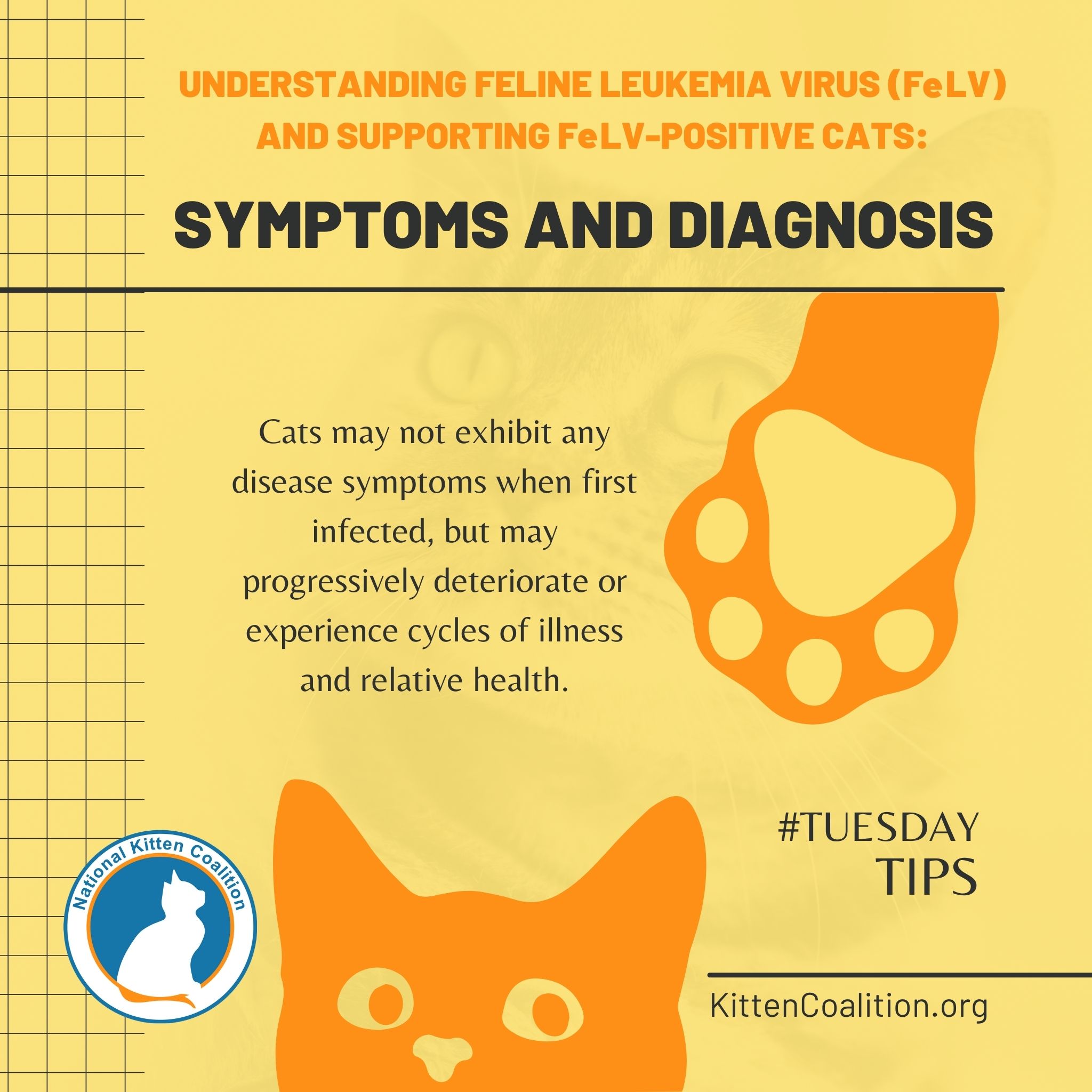
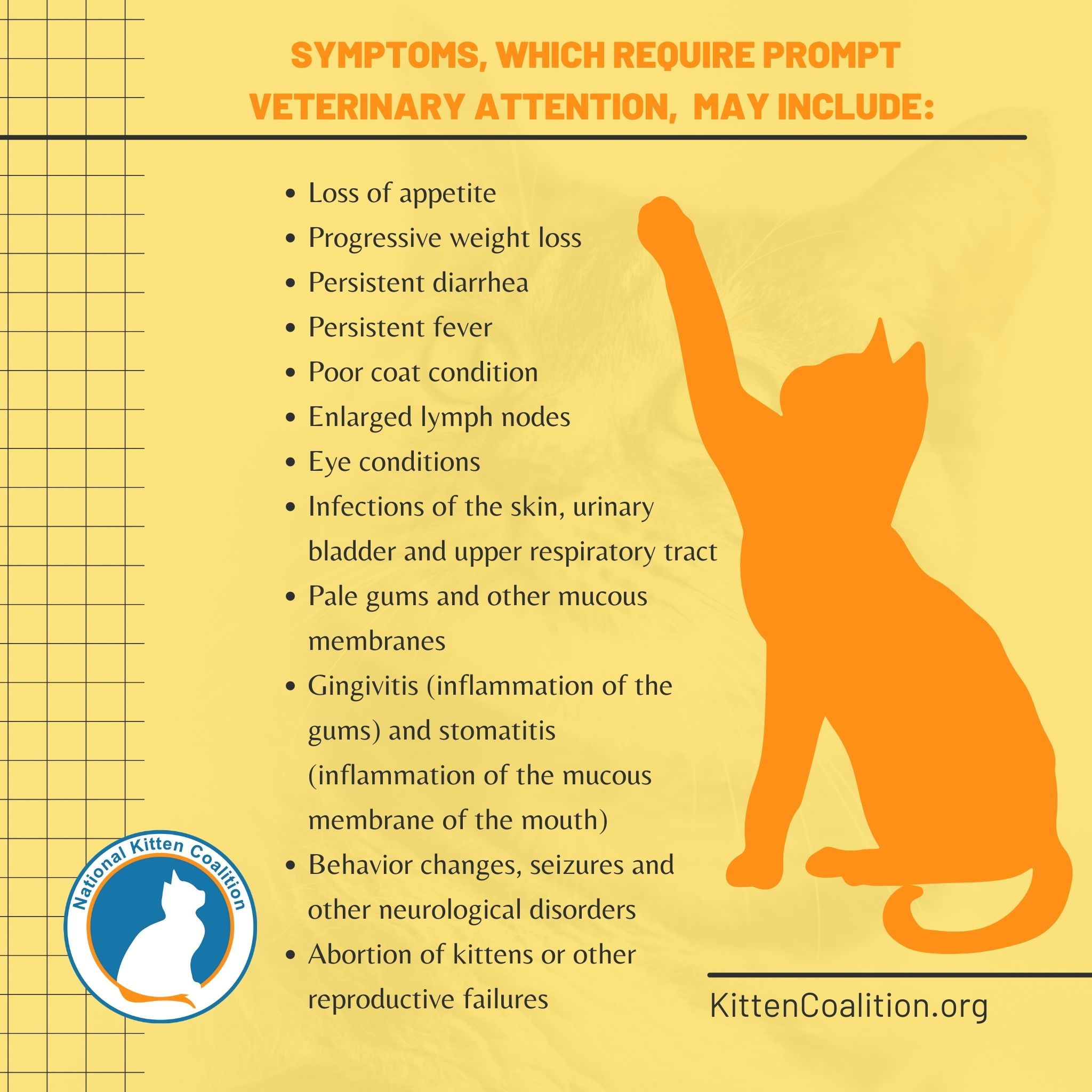
Moving forward, it's essential to keep these visual contexts in mind when discussing Feline Leukemia Virus In Cat Symptoms And Diagnosis.
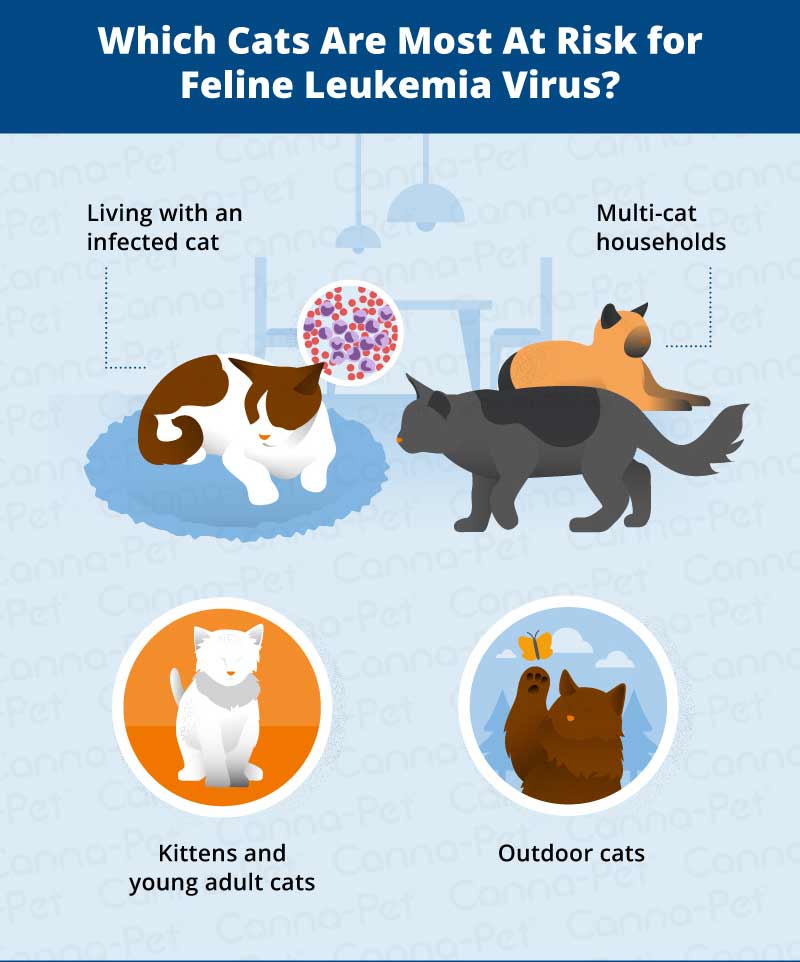
Feline leukemia virus (FeLV) is one of the most common and important infectious diseases in cats, affecting between 2-3% of all cats in the United States and Canada. Infection rates are significantly higher (up to 30%) in cats that are ill or otherwise at high risk (see below).
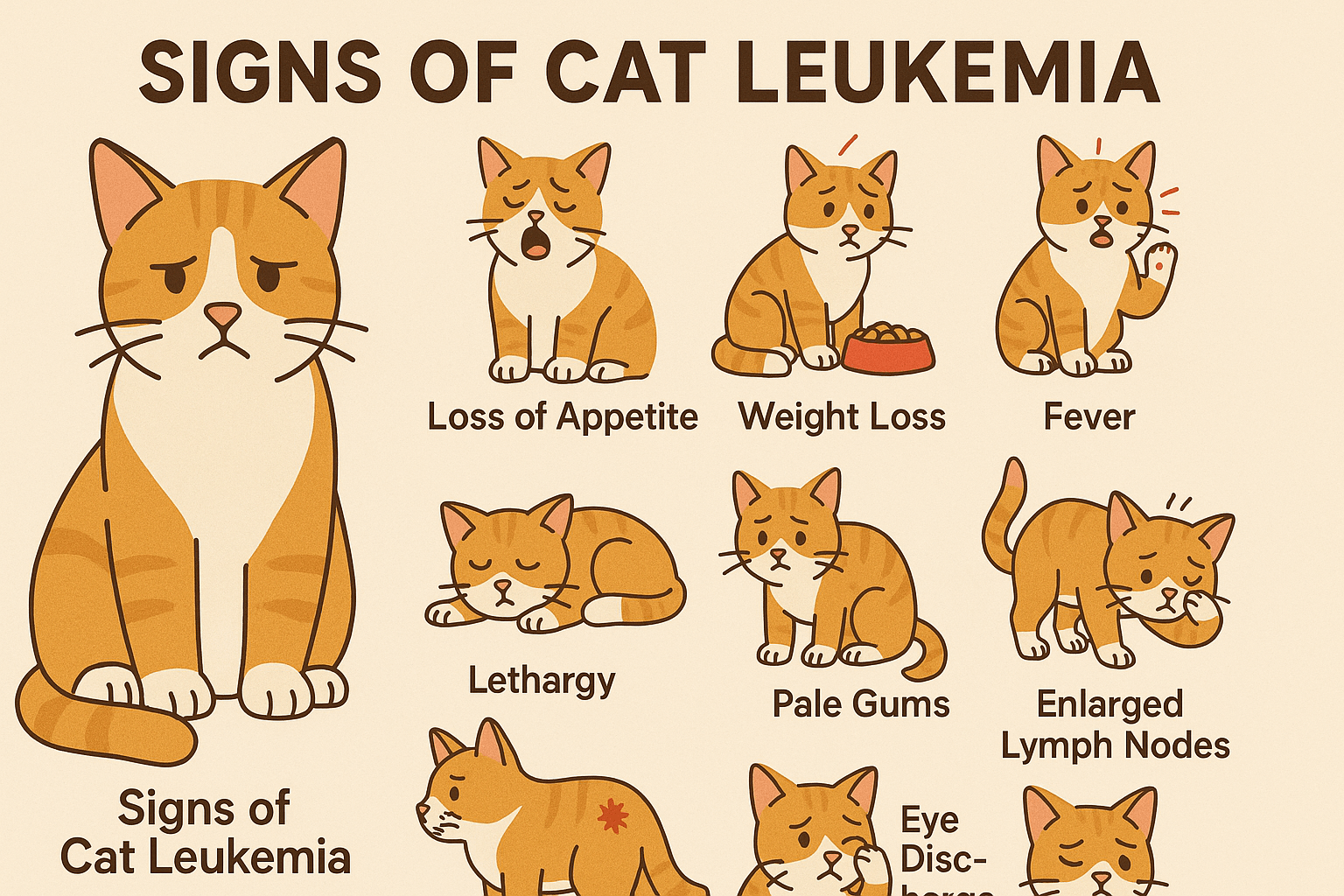
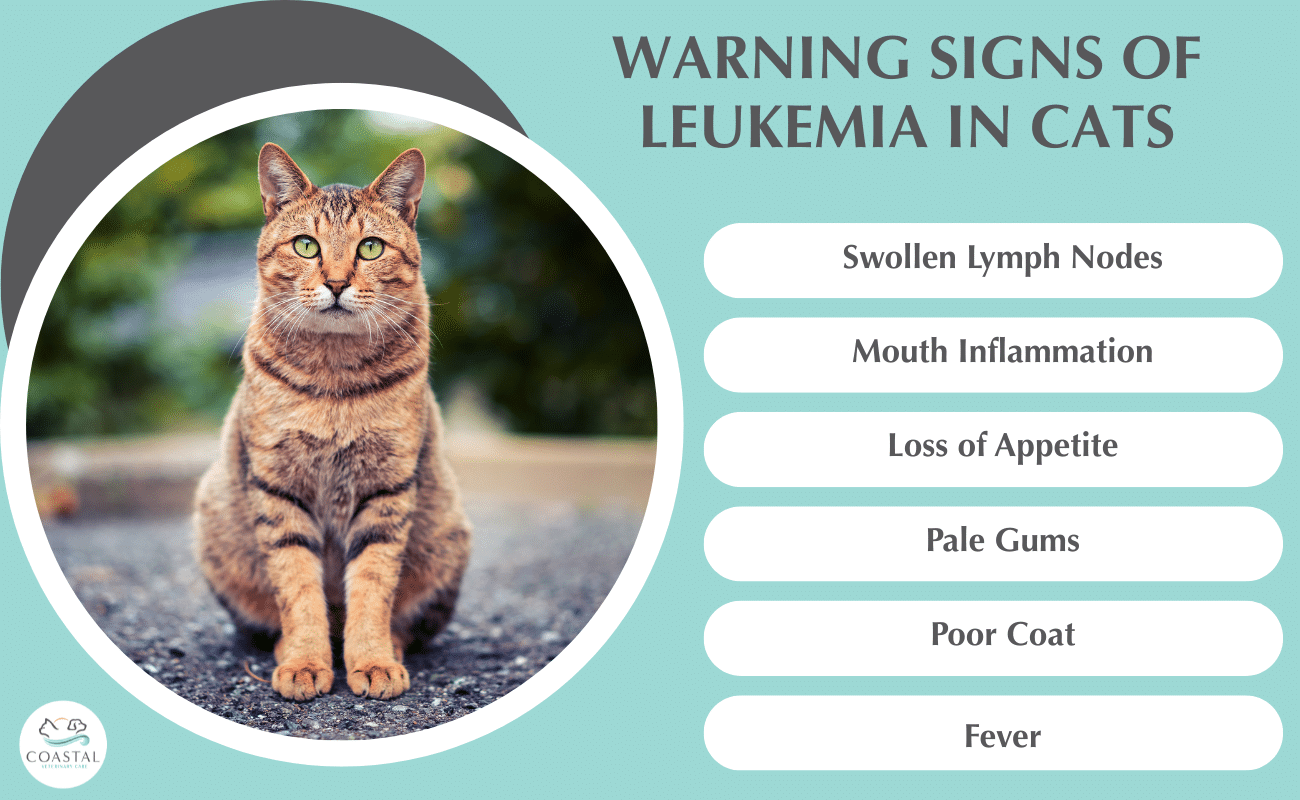
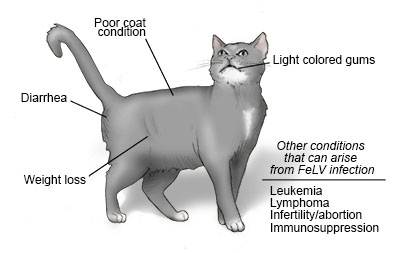
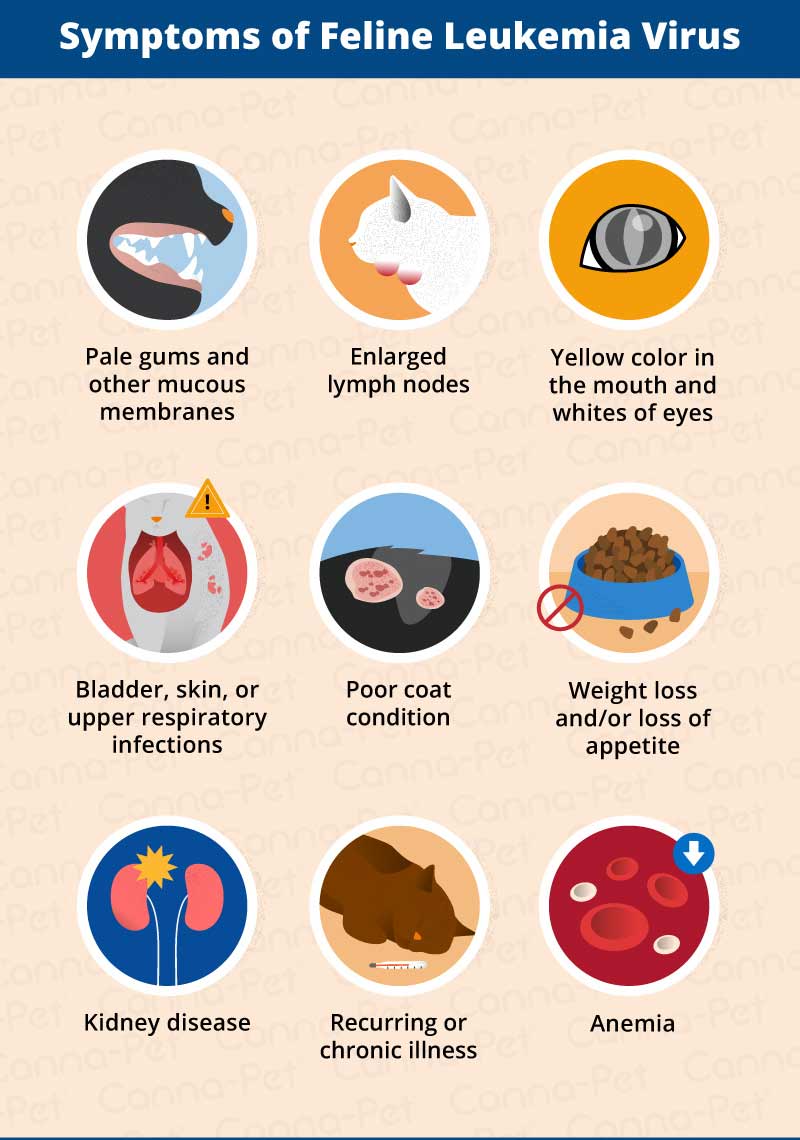
Feline leukemia virus (FeLV) is one of the most common infectious causes of disease of cats globally. Infection with FeLV can cause a variety of clinical signs, impacting a cat's longevity and quality of life.
Feline leukaemia virus is normally called FeLV. Cats catch the virus through direct contact with infected cats, such as bites or licking. FeLV is sadly a fatal disease, though cats may live up to 4 years or more after diagnosis.