Feline Leukemia Virus Suggested Articles Lymphoma Feline Vaccines: Benefits and Risks Diarrhea Neurological Disorders Feline Vision Problems: A Host of Possible Causes Feline leukemia virus (FeLV) is one of the most common and important infectious diseases in cats, affecting between 2-3% of all cats in the United States and Canada.
Here we report the case of osteochondromatosis in a 3.5-year-old male domestic European shorthair cat with concurrent FeLV infection confirmed by polymerase chain reaction.
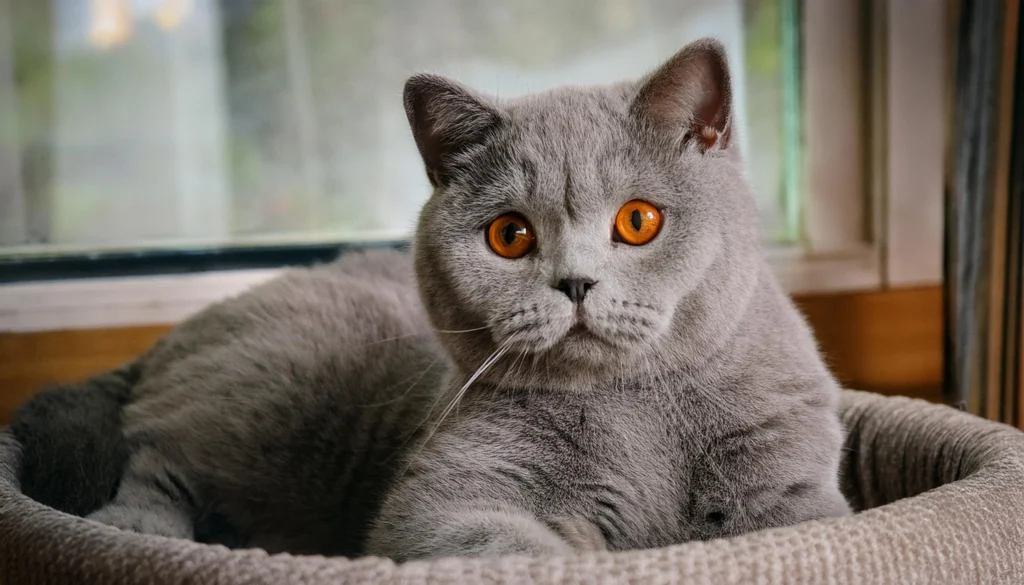
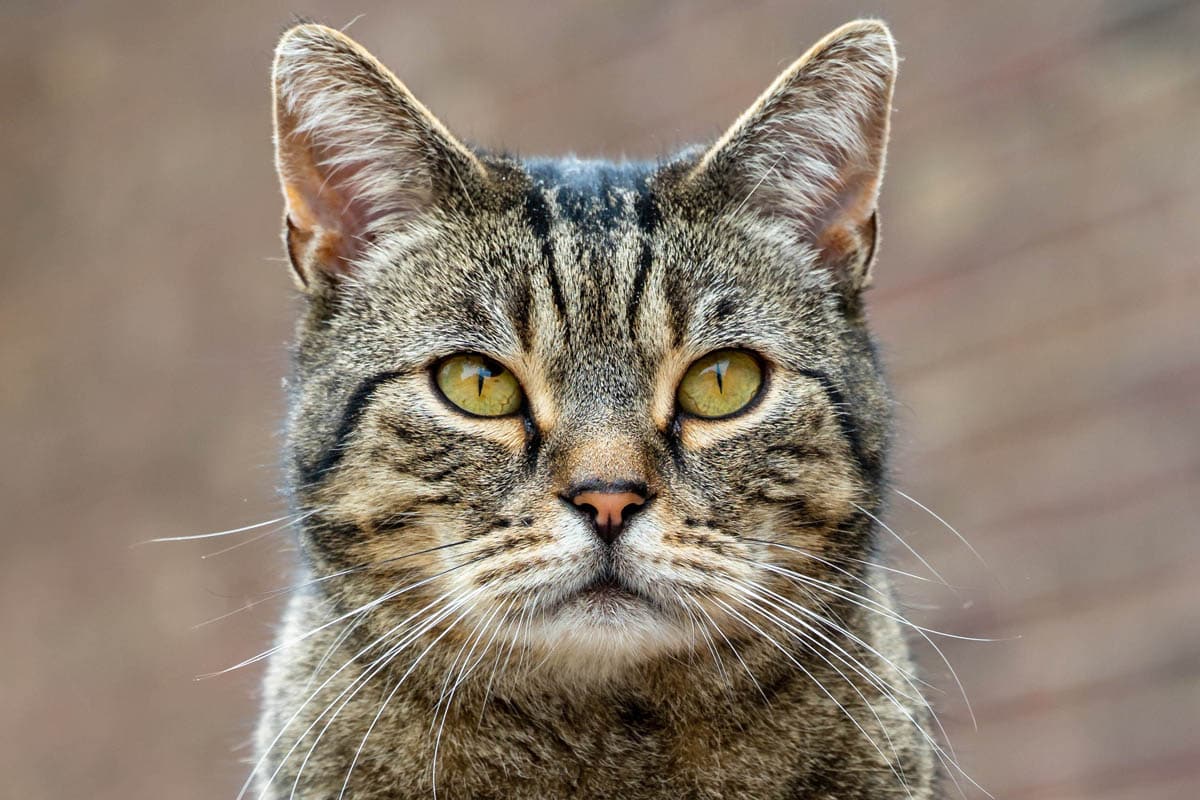
This particular example perfectly highlights why Feline Leukemia In Older Mixed Breed Domestic Shorthairs is so captivating.
Who Is at Higher Risk Young kittens, particularly those more than 16 weeks old, are at the highest risk of FeLV. Outdoor, free-roaming, sheltered, or colony cats and multi-cat households have higher transmission. Intact males, mixed-breed cats, and cats in endemic regions show an elevated risk of Feline Leukemia Virus. How Do Cats Get Feline ...
A, Bone marrow aspirate cytology from a 6-month old male neutered domestic shorthair cat that was evaluated for lethargy and fever. Acute leukemia, marked erythroid aplasia, marked granulocytic dysplasia, and increased eosinophilopoiesis is present.
Feline Leukemia Virus (FELV) is a relatively common viral disease of cats. Some cats acquire this infection at a very young age by being born to an FELV-infected female cat, others contract this disease through direct contact with saliva...