Part I: Fundamentals of Apartment Agriculture Discover the world of indoor farming with an introduction to indoor farming and the benefits of growing your own food indoors. Understand the basics of plant growth and learn how to select suitable crops for indoor farming.
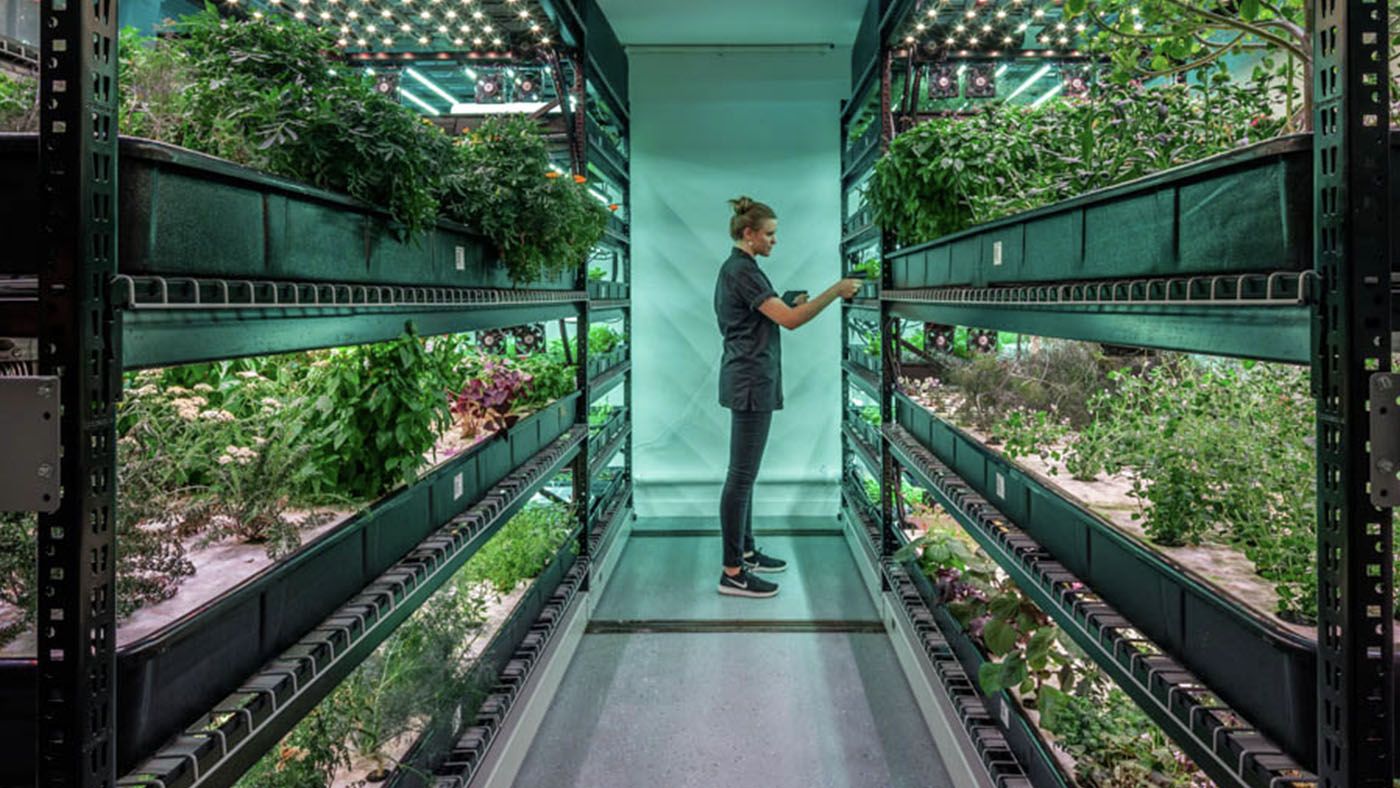
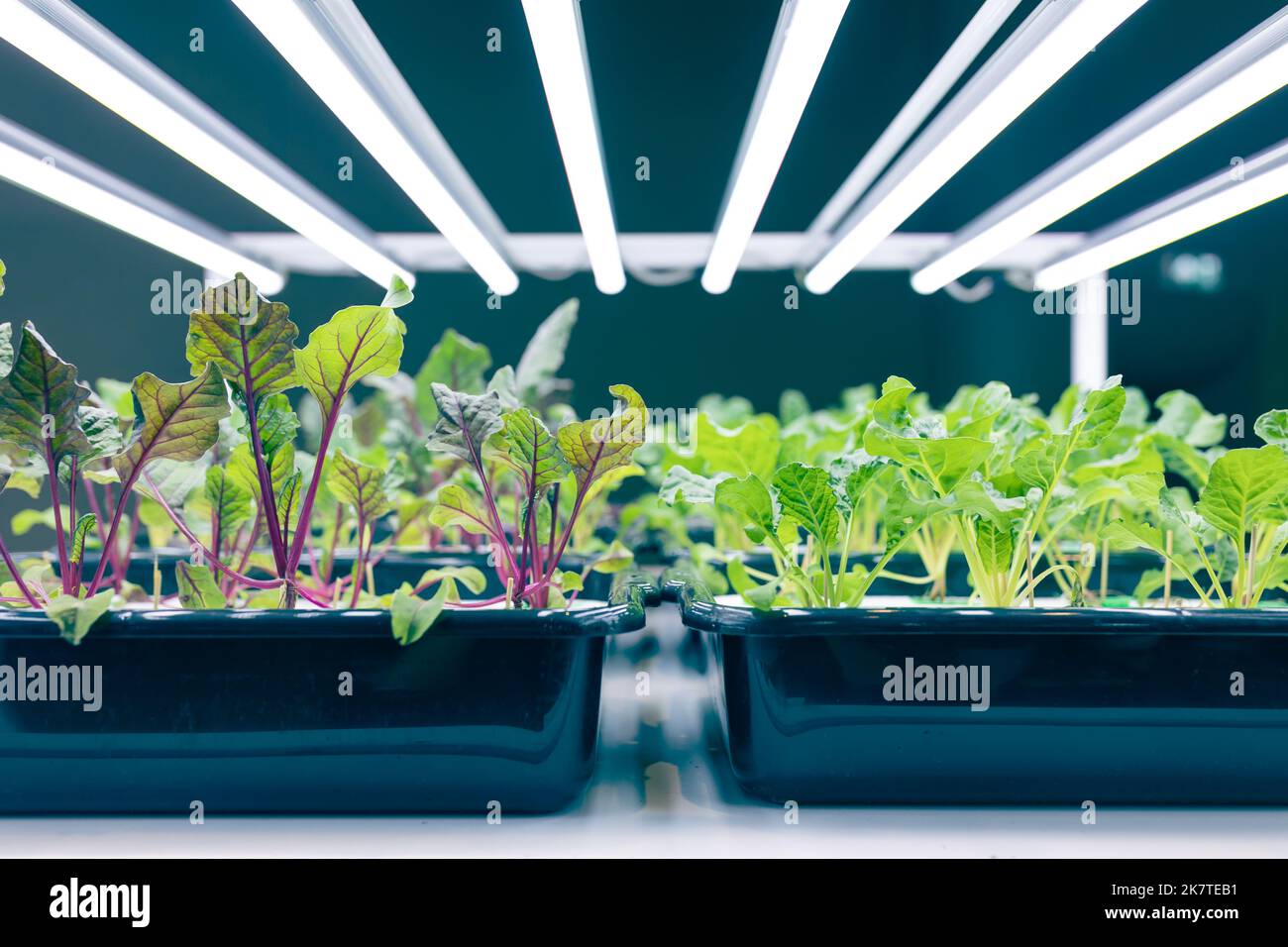
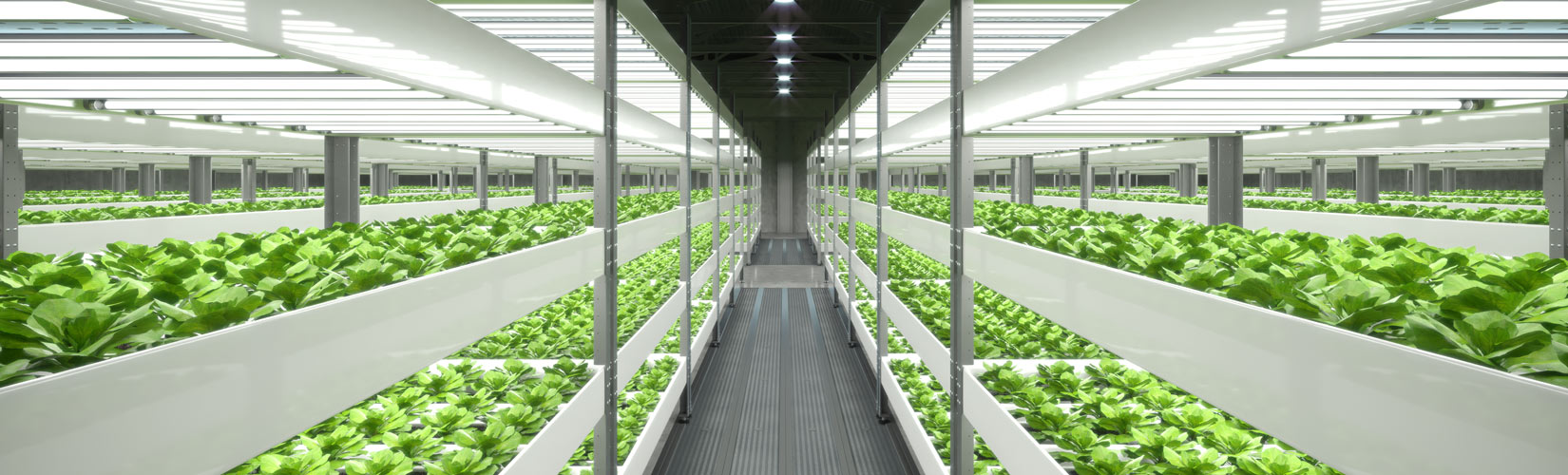
A traditional building requires 0.7 1.2 W/ft2, while an indoor agriculture facility require 30-80 W/ft2. This intense daytime lighting, along with the water pumps, air transfer fans and other equipment used in the plant growing process result in a high sensible load.

Moving forward, it's essential to keep these visual contexts in mind when discussing Building Indoor Agriculture For Apartments.
Under the arrangement, Scale finances, builds and maintains an onsite microgrid and sells the energy to the offtaker in this case, indoor farming startups. In the last year and a half, Schneider has announced deals with Fifth Season and Bowery Farming, two vertical farming startups.

For building indoor agriculture with lower density, outside air flowrate loss during the cold season was more significant than the lighting heat gain, resulting in a significant sensible and latent heating consumption for that time of season.

Such details provide a deeper understanding and appreciation for Building Indoor Agriculture For Apartments.
In general, indoor agriculture relies heavily on energy-intensive practices. From lighting to packaging, learn the best sustainable cultivation practices for indoor agricultural facilities.
Discover indoor balcony planting tips to enhance your apartment living in Dubai's weather.