s reviewed above, maternal dietary exposure during pregnancy and lactation will unlikely contribute to food allergy development in children and may even help prevent them. Foods to avoid or limit Honey before 12 months Honey given to children younger than 12 months may cause a severe food poisoning called botulism. Do not give your child honey before 12 months. Do not add honey to your baby's food, water, infant formula, or pacifier. Foods with added sugars Infants and young children should not have added sugars. Foods with added sugars can include: Muffins ... llergy shots are a long-term treatment option for those with persistent and severe allergic rhinitis but do not provide relief for at least 6-12 months after starting treatment. Lets argue that honey may still contain small amounts of the tree, grass, or weed pollen that causes allergy symptoms but perhaps in weaker amounts. Updated USDA Dietary Guidelines recommend introduction of potential food allergens to children in the first year of life. Discover how to identify and prevent honey allergy in babies, including symptoms, causes, diagnosis, and treatment options. Learn expert advice on introducing foods safely and managing environmental allergens. Scientists think this may help explain why some children develop food allergies one part of the allergic march. When a food allergen (such as peanut, egg, or cows milk) touches a babys cracked or open and inflamed skin, their immune cells respond by triggering a specific allergic response to the food. Nutritional prevention strategies have shifted their focus from single nutrients and foods to addressing the to the overall during pregnancy, breast feeding, and early life. Only one diet index in pregnancy, as a measure of the overall diet, has shown a reduction in childhood allergic disease, referred to as the maternal diet index.
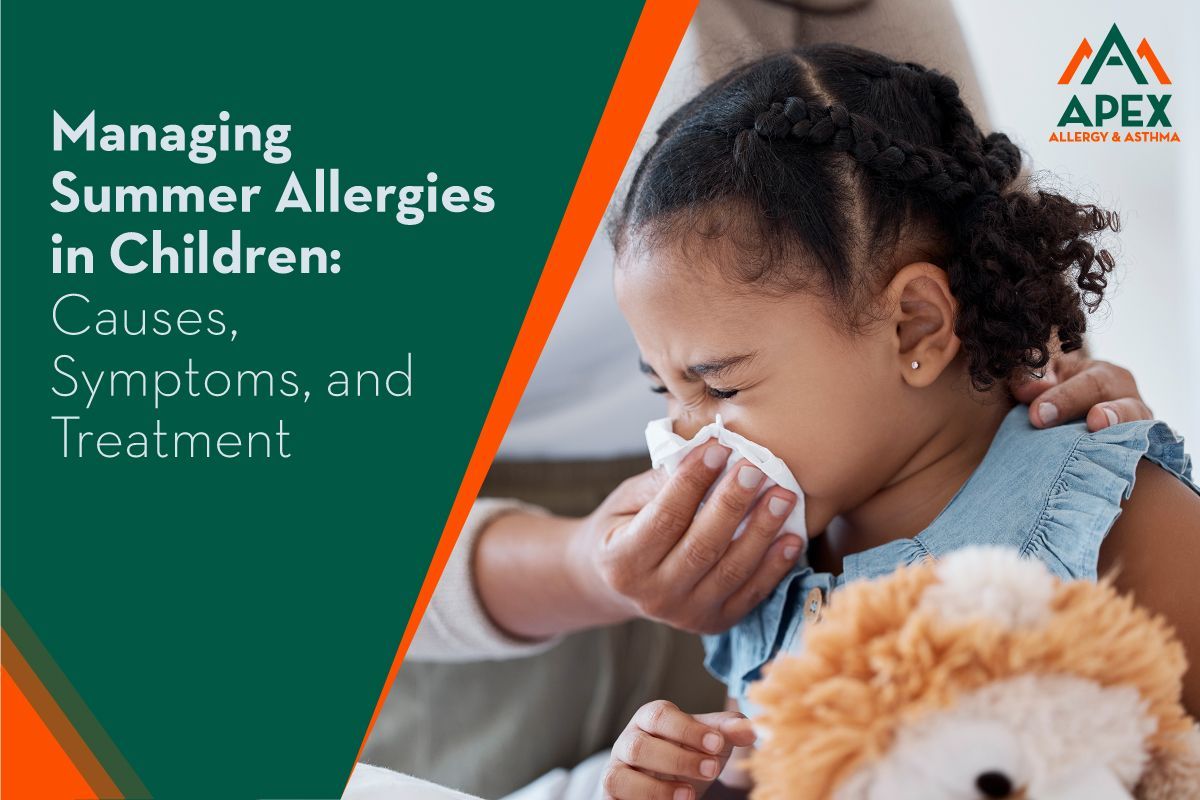
Furthermore, visual representations like the one above help us fully grasp the concept of Allergy Prevention In Toddlers With Honey And Pregnancy.